
If you searched “how long does AI SEO results take,” you probably already tried something and got tired of waiting. That’s fair. AI search moves fast in the news, but it moves slower on your own website.
This guide breaks down the real AI SEO results timeline, week by week and month by month, using what we’ve seen work across real client sites. You’ll learn why AI SEO takes longer than most vendors admit, what actually speeds it up, and which signals to watch instead of just refreshing your rankings dashboard every morning.
- TL;DR
- How long does AI SEO results take? Early signals show up in 2 to 6 weeks, but real authority and steady leads usually take 3 to 6 months to build.
- AI search engines like ChatGPT and Google AI Mode need clear, well-structured content and consistent trust signals before they will confidently cite your brand in answers.
- Technical fixes and content clarity show quick wins, but topical authority and brand mentions across the web take longer and matter far more long term.
- Tracking the right AI SEO performance signals, like citations and share of voice, matters more than watching for a sudden jump in rankings.
How Long Does AI SEO Results Take in Reality?
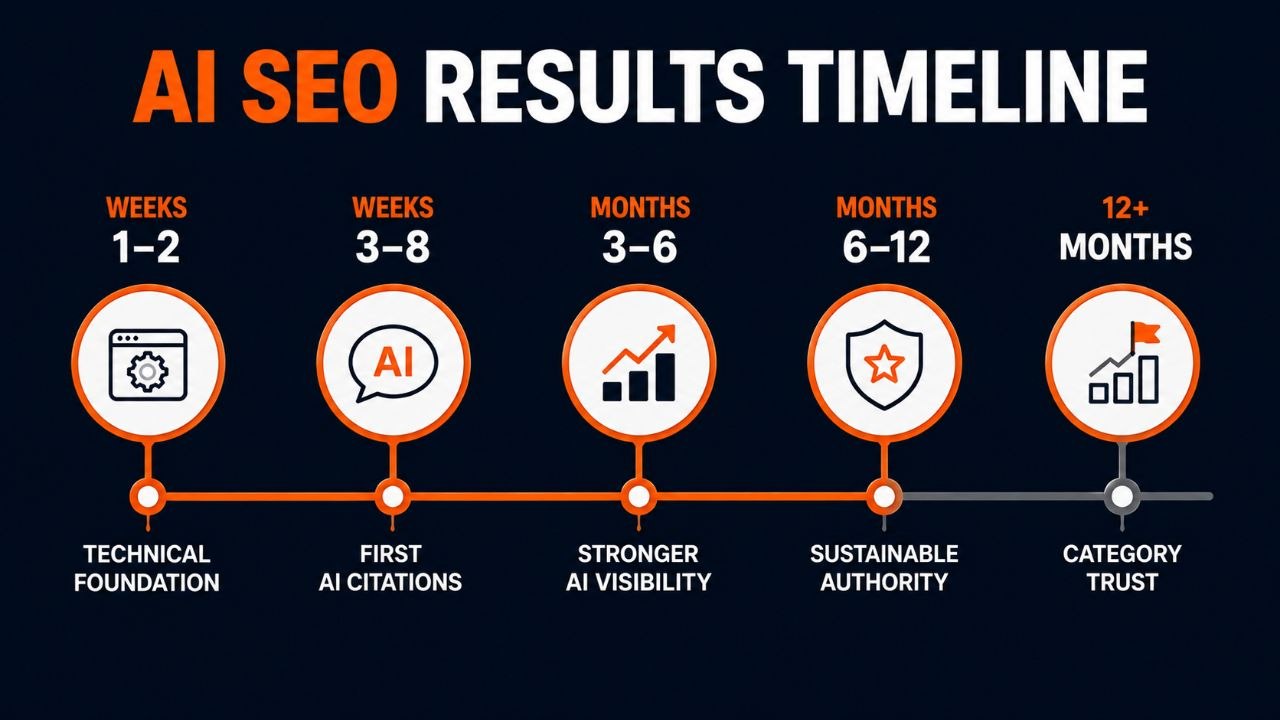
Most brands see the first small wins within 2 to 6 weeks. Bigger, more reliable results take 3 to 6 months. Full authority, the kind where AI tools mention your brand often and with confidence, usually takes 6 to 12 months.
- Weeks 1 to 2: Technical fixes and content structure improvements. AI crawlers can now read your pages properly.
- Weeks 3 to 8: First AI citations may start to appear in tools like ChatGPT or Google AI Overviews.
- Months 3 to 6: Steadier visibility, more mentions, and early lead flow.
- Months 6 to 12+: Strong, repeatable authority and consistent revenue from AI search traffic.
This timeline is not unique to AI search. Google explains that every page must first be discovered, crawled, and indexed before it can appear in search results, and there is no guarantee this will happen right away.
AI SEO follows a similar process, but it also depends on trust signals, brand authority, and content quality before AI tools confidently mention your business
Most brands don't know how visible they are in AI search
Get a clear view of your AI search presence and competitor gaps.
Why AI SEO Takes Longer Than Most Businesses Expect
Vendors love to promise fast wins. The truth is more grounded. Below are the four biggest reasons your AI SEO results timeline stretches out longer than a single campaign sprint.
1. Authority Builds Before AI Recognition
AI models do not just scan your page once and trust it. They need to see your brand mentioned consistently, across your own site and other credible sources, before they treat you as a safe answer to cite.
2. Trust Signals Strengthen Over Time
Backlinks, reviews, press mentions, and structured data all add up slowly. No single page fixes this overnight. This is part of why an AI search readiness audit early on matters. It shows you exactly which trust gaps are holding your AI SEO performance timeline back.
3. Industry Competition Shapes the AI SEO Results Timeline
A niche topic with less competition can earn AI citations faster because there are fewer trusted sources to compete with. In competitive industries like finance or SaaS, AI tools take longer to recognize new brands since many established websites already have strong authority
4. Consistent Optimization Creates Lasting Growth
AI SEO is not a one-time task. Regularly updating content, improving accuracy, and strengthening your brand signals help AI systems keep trusting your website. Consistent optimization builds long-term visibility and keeps your brand relevant as AI search continues to evolve.
AI SEO Results Timeline From Week 1 to Month 12
Here is what a realistic month-by-month path looks like, based on patterns we track across client accounts.
Timeframe | What Typically Happens | What To Watch |
|---|---|---|
Weeks 1–2 | Technical fixes, crawlability, clean structure | Crawl logs, indexing status |
Weeks 3–8 | First AI mentions or citations appear | Brand name in AI answers |
Months 3–6 | Steady visibility across more AI tools | Share of voice, referral traffic |
Months 6–12 | Strong authority and repeat citations | Lead quality, conversion rate |
12+ months | Category-level trust and consistent revenue | Revenue tied to AI-driven visits |
Weeks 1–2 — Technical Foundations and AI Discovery
During the first two weeks, focus on fixing crawl errors, improving page structure, and adding schema markup. These changes help AI crawlers understand your content more easily and create a strong foundation for future AI search visibility.
Weeks 3–8 — Early AI Citations and Visibility Signals
Your brand may begin appearing in AI-generated answers for a few relevant searches. These early mentions are usually inconsistent, but they show that AI systems are starting to recognize and understand your content.
Months 3–6 — Stronger AI Search Presence and Organic Growth
AI citations become more frequent, and referral traffic from AI search tools may start increasing. This is often the stage when businesses begin seeing measurable progress and understand how long does AI SEO take to work.
Months 6–12+ — Sustainable Authority, Leads, and Revenue
By this stage, AI platforms recognize your brand as a trusted source across multiple topics. This stronger authority leads to more consistent AI visibility, higher-quality traffic, and better opportunities to generate qualified leads and revenue.
Inside Our AI SEO Experiment
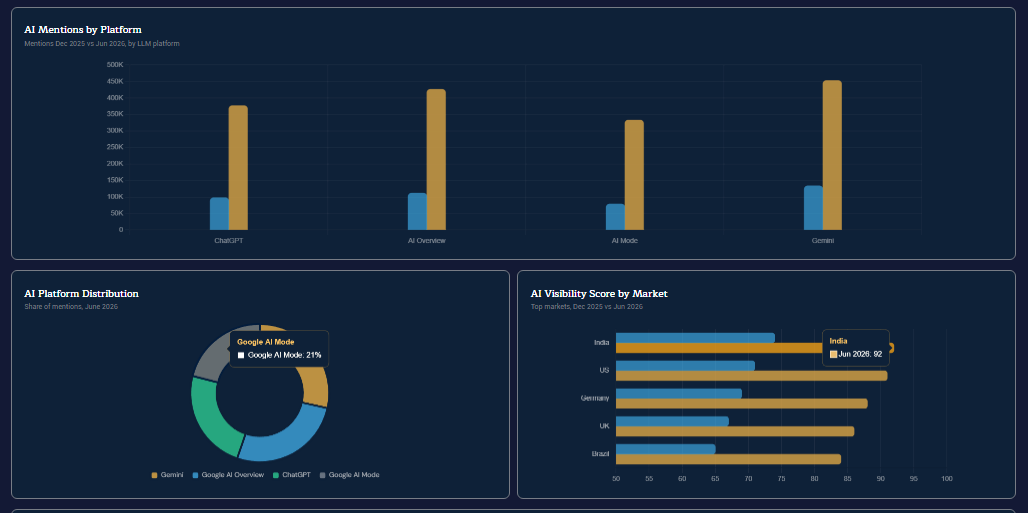
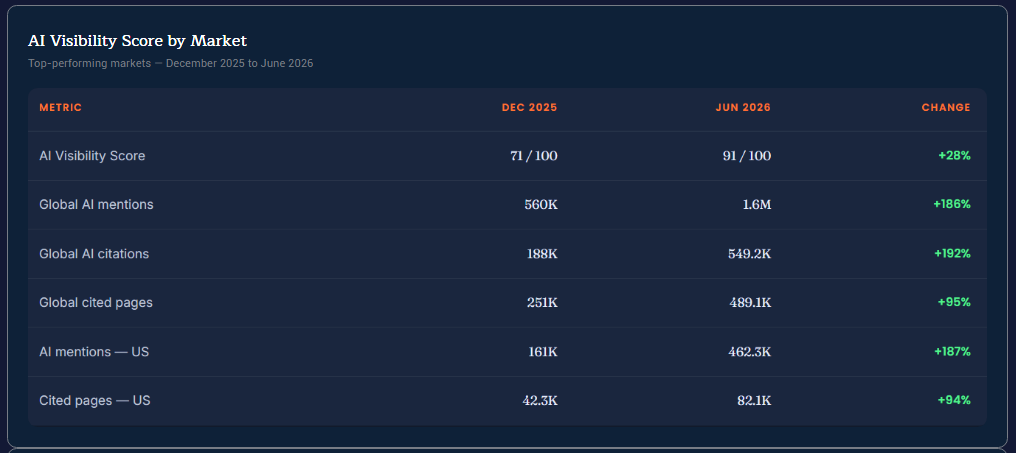
To understand how quickly AI SEO shows results in practice, we ran a controlled test on a client site with decent AI visibility. We tracked a client website from the start, monitored its AI visibility, and recorded what made the biggest difference over time.
Step 1: Checking Where the Brand Stood
We started by finding out how visible the brand already was in AI search. We searched its core topics across ChatGPT, Perplexity, and Google AI Mode. The result was simple. The brand was decently mentioned, giving us a clear starting point before the AI SEO experiment.
Step 2: Making the Right AI SEO Improvements
Next, we focused on improving the site’s technical structure and publishing clear, well-sourced content. We didn’t expect instant results. Around week five, we noticed the bounce in AI mention. It was a partial citation, not a full recommendation, but it showed our AI SEO efforts were moving in the right direction.
Step 3: Finding What Actually Worked
We continued testing different improvements instead of making random updates. Adding original data, clearer headings, and FAQ sections built for direct answers made the biggest impact. Generic, thin content barely improved, while useful, well-structured content gained much better AI visibility.
Step 4: What the Experiment Taught Us
By the end of the experiment, one lesson stood out. AI SEO is not about quick wins. Consistently publishing helpful, well-structured content worked far better than one big content push followed by weeks of silence. That steady approach delivered stronger long-term AI visibility and trust.
“Brands that treat AI visibility like a slow trust-building process, not a quick hack, are the ones still showing up in AI answers six months later.”

Founder
Vivek Mishra
How Quickly Do AI Search Engines Index New Content?
AI search engines can find new content quickly, but showing it in AI answers takes more time. The points below explain what happens after you publish a page and why some content appears in AI search results faster than others.
1. Content Discovery Across AI Search Platforms
The OpenAI crawler documentation notes that changes to crawling permissions can take roughly a day to take effect on their systems, but that is different from how long it takes for new content to actually influence an AI answer.
2. Entity Validation Before AI Recommendations
Before AI tools recommend your brand, they first check if your business is real, trustworthy, and consistently mentioned across different sources. This validation process takes time, even after your content has been crawled.
3. Citation Signals That Improve Visibility
AI search engines look for strong trust signals before citing your content. Clear author information, consistent branding, and mentions on trusted websites help AI understand and recommend your brand more confidently.
4. Model Refresh Cycles That Influence Rankings
AI models do not update instantly. An OpenAI crawler log study of billions of requests found crawl activity from OpenAI’s bots roughly tripled after a major model launch, showing how much these refresh cycles can shift visibility overnight, in either direction.
“The thing is not just about improving rankings. It is about creating content that AI systems can understand, trust, and confidently recommend.”

Founder
Sourabh Yadav
How to Get AI SEO Results Faster
You cannot force AI SEO results overnight, but you can improve your chances of seeing results sooner. The tips below focus on the actions that help AI search engines understand, trust, and recommend your content more quickly.
1. Building Topical Authority Instead of Isolated Pages
Publishing one great article rarely works. Covering a topic from multiple angles, the way a generative engine optimization strategy is built around, gives AI models more reasons to trust your site as a whole.
2. Publishing Content AI Systems Prefer to Reference
AI tools prefer content that is easy to read and understand. Clear headings, direct answers, and well-organized information make it easier for AI search engines to reference your content in their responses
3. Strengthening Brand Signals Beyond Your Website
Your website alone is not enough. Reviews, media mentions, and consistently showing up in ChatGPT and other trusted sources help AI search engines build confidence in your brand.
4. Refreshing Existing Content Before Performance Slows
Content can become outdated over time. Updating statistics, examples, and key information helps keep your pages relevant and improves your chances of staying visible in AI search.
5. Measuring the Right AI SEO Performance Signals
Keyword rankings only show part of the picture. You should also track AI brand mentions, AI citations, referral traffic, and share of voice across AI search platforms. These metrics give a clearer view of your AI SEO performance and long-term visibility.
Want to learn from industry experts?
Watch “How Top B2B Marketers Are Using AI to Win in 2026”on Qoulomb’s YouTube channel, where Deepak, Senior Product Marketing Manager at Exotel, joins Vivek Mishra and Sourabh Yadav to share practical insights on AI SEO, GTM strategy, and how B2B marketers are adapting to AI.
AI SEO Performance Signals That Matter More Than Rankings
Looking at the right metrics helps you understand whether your AI SEO strategy is actually working. The signals below show how AI search engines recognize your brand and how that visibility turns into meaningful business results.
- Citation frequency: how often your brand appears across different AI answers.
- Share of voice: how you compare to competitors mentioned for the same questions.
- Referral traffic: visits coming from AI search platforms like ChatGPT and Google AI.
- Answer accuracy: whether AI tools describe your brand correctly.
- Lead quality: whether AI-driven visitors convert, not just visit.
Understanding how brands rank in AI Overviews helps explain why these signals matter more than a single keyword ranking ever could.
AI search is becoming a key growth channel for global brands
Explore how top AI SEO agencies help brands generate growth
Final Thoughts
So, how long does AI SEO results take? Expect early improvements within a few weeks, stronger visibility over the next few months, and lasting authority through consistent work. AI search rewards brands that build trust over time, not those looking for quick wins.
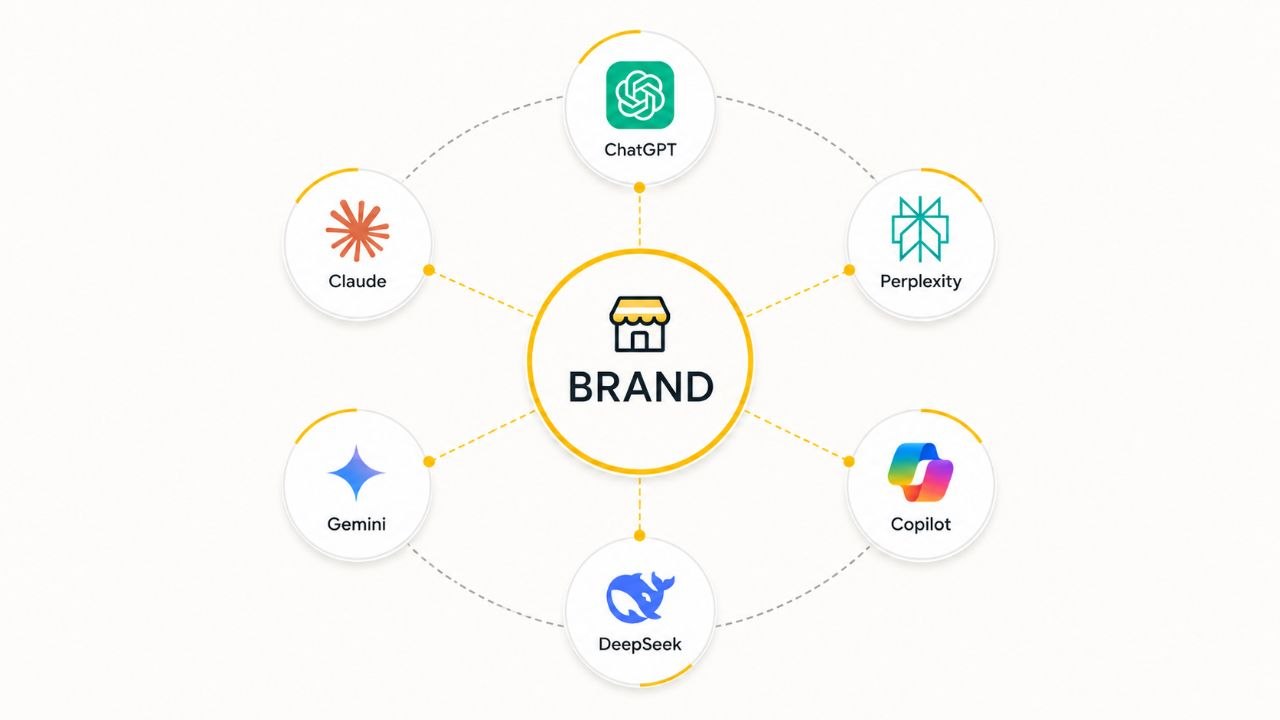
At Qoulomb, we help B2B companies build that trust across Google and leading AI search platforms like ChatGPT, Gemini, Perplexity, and Claude.
By combining AI SEO, AEO, GEO, and SEO into one strategy, we focus on improving real AI visibility that supports qualified leads, pipeline, and long-term revenue. If you want to know where your brand stands today, starting with an AI visibility check is a simple first step.
Frequently Asked Questions (FAQs)
1. How long does it typically take to see results from AI optimization?
Most businesses see early signals, like technical improvements and first mentions, within 2 to 6 weeks. Meaningful, repeatable visibility across AI tools usually takes 3 to 6 months, depending on competition and how consistently new content gets published.
2. How long does AI SEO take to work?
AI SEO starts showing partial results within weeks, but working results, meaning steady citations and real traffic, generally take 3 to 6 months. Full authority and consistent lead generation from AI search usually take closer to a year.
3. What is the average AI SEO results timeline?
The average timeline runs in stages: 2 to 6 weeks for technical wins, 6 to 12 weeks for early citations, and 3 to 6 months for stronger authority. Full category-level trust typically takes 6 to 12 months of consistent work.
4. What affects the AI SEO performance timeline?
Competition level, existing site authority, content quality, and how often you publish all shape the timeline. Established brands with strong backlinks and reviews tend to see AI citations faster than brand-new sites with little outside validation.
5. How quickly do AI search engines index new content?
Crawling can happen within a day of a site update, but indexing and actually using that content in an answer takes longer. AI models need to validate your entity and confirm trust before citing new pages confidently.
6. Is AI SEO faster than traditional SEO?
In some cases, yes. Well-structured, authoritative content can get cited in AI answers faster than it climbs traditional rankings. But building the underlying trust and authority still takes similar time to classic SEO, often three to six months or more.
7. How to rank in AI first SEO?
Focus on clear structure, direct answers, strong entity signals, and consistent publishing. Build topical authority instead of single pages, strengthen brand mentions outside your own site, and track citation frequency instead of relying only on keyword rankings.